Veikko Isotalo (PhD) is a senior researcher in Political Science at the University of Turku. Isotalo defended his thesis on effects of ideology on political candidates' electoral success in multi-party open-list systems in 2025. Veikko is currently part of ERC-funded ADDI research project. His work focuses on digital democratic innovations, including voting advice applications (YouthVAA). Veikko is a co-founder of OpenVAA non-profit. Additionally, Veikko has been part of Kansalaisbarometri and he is an active member of Finnish National Election Study.
See my curriculum vitae.
Doctor of Social Sciences, 2026
University of Helsinki
M.Sc. (Technology) in Information Networks, 2020
Aalto University
MSSc in Political Science, 2019
University of Helsinki
BSc in Political Science, 2018
University of Helsinki
BSc in Information Networks, 2016
Aalto University
This dissertation contributes to the growing literature on intraparty competition. It shows how candidates’ ideological positions affect their chances of intra-party electoral success.

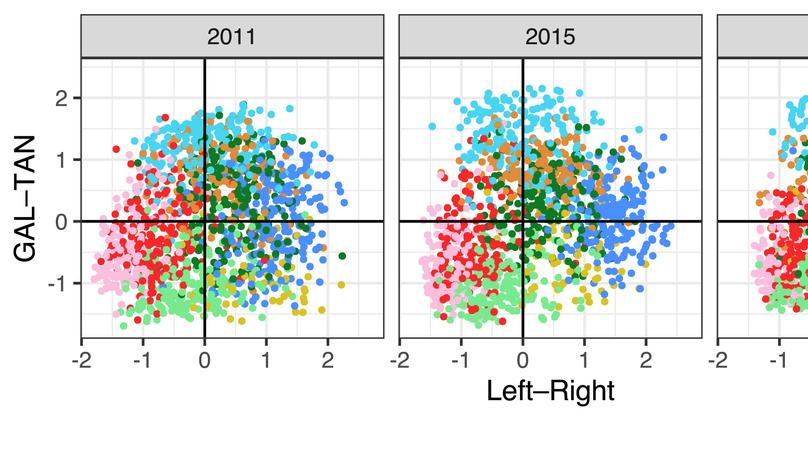
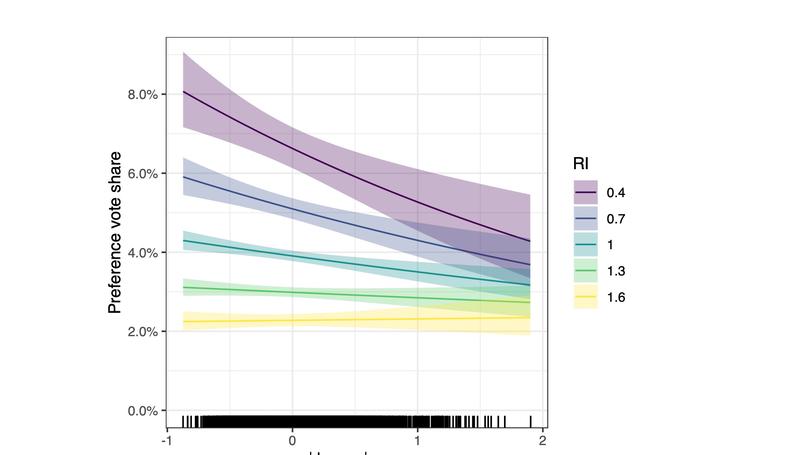
We demonstrate that the availability of easily applied heuristics conditions the effect of candidates' ideological positioning on intra-party success in Finnish parliamentary elections, using data from three Finnish elections (2011-2019). The effect of ideological distance matters most when the share of recognizable candidates with typical PVEAs on the list is limited. The results suggest that voters use ideological cues as the base for their voting decisions.

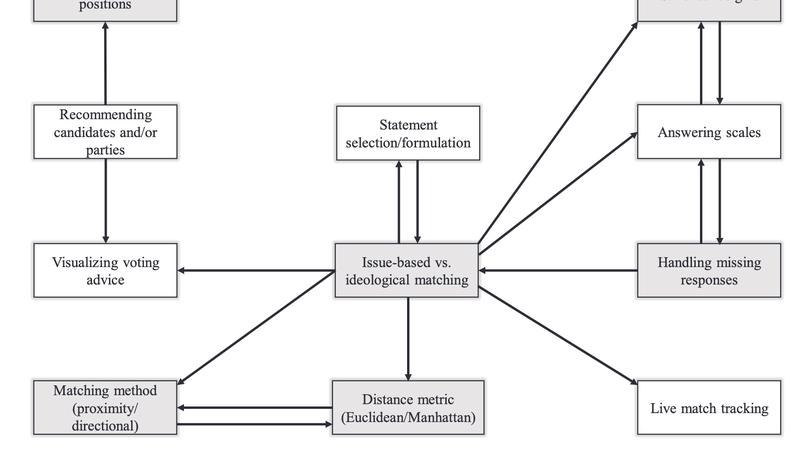
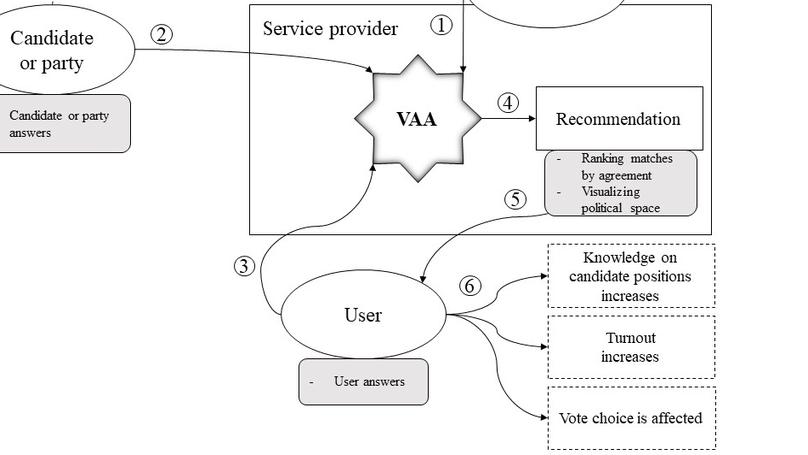
This article suggests a design intervention to the current state of Finnish VAAs. The article was built on previous research on Finnish VAA designs conducted by Isotalo (2020). In addition to providing new VAA designs, this article’s contribution was in exploring the VAA design process, pointing out important design choices for VAA developers, and setting design objectives that address problems with existing Finnish VAA designs. The proposed VAA designs were developed by utilizing the design science research (DSR) approach.

To identify issues with Finnish VAAs developed for 2019 parliamentary election, content analysis along with expert evaluation was performed. The results showed that the Finnish VAAs lacked transparency, user interactivity and visualizations that would allow for candidate comparisons. Based on the findings a new VAA design was envisioned, which consisted of two phases. The suggested design aimed to give users more power over VAA designers in the process and improve the quality of the voting advice.

We find that ideological positions of candidates matter for their electoral success in Finnish parliamentary elections, using data from three Finnish elections (2011-2019). The effect of ideological distance is large enough to be a decisive factor in intra-party competition between the last candidate that was elected and the first one that was not.